Security guide
Understand your door before it fails.
01 — Security Blueprint
Your door. Your security. Your next step.
Select a part of the door to see common problems and what to do next.
Detail 01 / The Lock
When the lock itself is the problem
A lock is a mechanical assembly of springs, pins and moving parts. Wear, dirt, damage or forcing can stop it turning smoothly.
Symptoms you may notice
- Key turns stiffly or only part-way
- Lock feels gritty or loose
- Visible damage after an attempted entry
Sensible next step
Avoid forcing the key. Describe what the lock is doing so the problem can be assessed for repair or replacement.
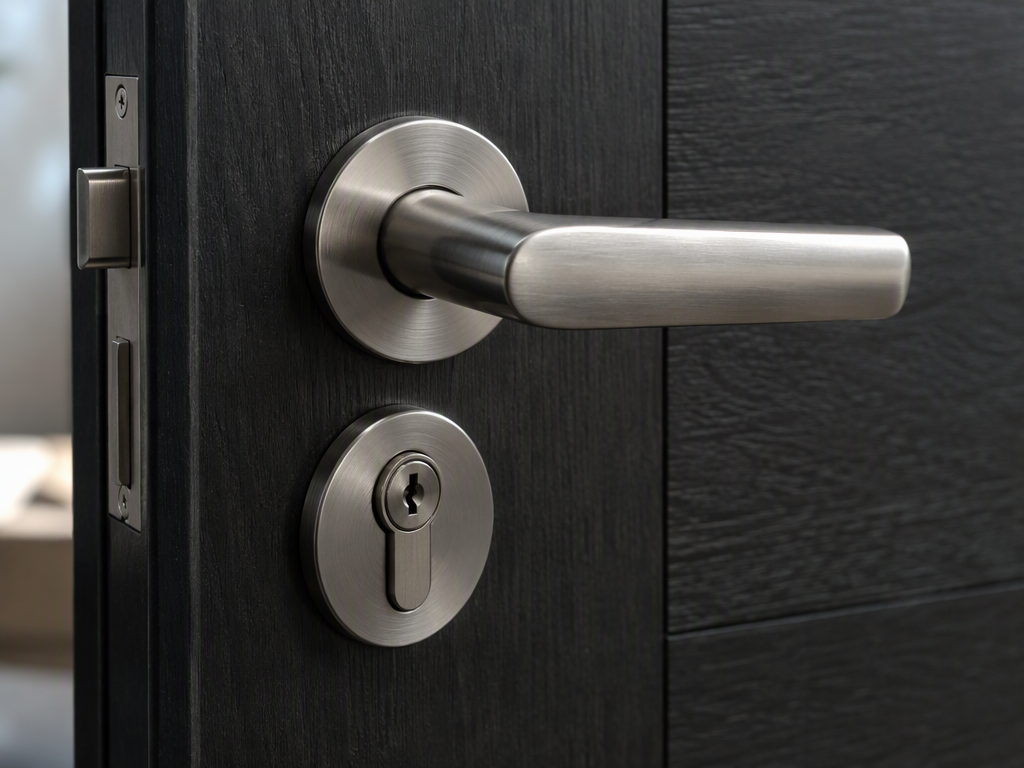
Field notes
The small details matter.
- 1
Lock & cylinder condition
Grit, wear and corrosion make keys stiff long before a lock fails outright. A key that needs jiggling is an early warning.
- 2
Door alignment
If the bolt meets the strike plate off-centre, the lock works harder and wears faster. Seasonal sticking often points here.
- 3
Handle & latch
A drooping handle usually means a tired return spring or loose fixings, not a failed lock.
- 4
Signs of wear
Shiny rub marks on the strike, loose escutcheons and keys that catch are all clues worth noting.
- 5
Before replacing
Door thickness, backset and the existing cut-out all affect which lock will fit without extra work.
- 6
When to get advice
If a lock is damaged, forced, or you are unsure who holds keys, it is worth talking it through.
See how a cylinder decides.
Slide the key in. Only when every pin reaches the shear line will the plug turn.
Pins misaligned — the cylinder stays locked. Worn pins cause exactly this.
Helpful information
01
Check the symptoms without forcing the mechanism
Observe how the lock behaves with the door open and closed, but only if you already have safe, authorised access. A bolt that operates freely with the door open yet catches when closed suggests an alignment or strike-plate issue. A key that sticks in both positions may point instead to the key or cylinder.
Do not keep forcing a resistant key or repeatedly slamming the door. A broken key or damaged latch can turn a minor operating issue into an access problem. Note the symptom and use the relevant service page to prepare a conversation.
02
Key control is separate from mechanical condition
A lock can work smoothly while you remain unsure who has copies of the key. Moving into a property, missing keys or changes in staff and occupancy are reasons to review access arrangements, not evidence that the mechanism itself is broken.
If you are considering a change, discuss the current hardware, who needs authorised access and what permissions apply. Rekeying and replacement are different concepts; their suitability depends on the particular lock and property. The interactive illustrations are simplified explanations, not a product recommendation or a security rating.